


What can we help you with ?
-
Car Insurance Trailer insurance Commercial vehicle insurance Moped insurance Moped insurance Canta insurance Motor scooter insurance Electric scooter Classic car insurance Invalid carriage insurance MMBS insurance Motorcycle insurance Oldtimer insurance Oldtimer moped insurance Oldtimer motorcycle insurance Oldtimer truck insurance Quad insurance Scooter insurance Moped insurance Temporary car insurance Youngtimer insurance
What can we help you with ?
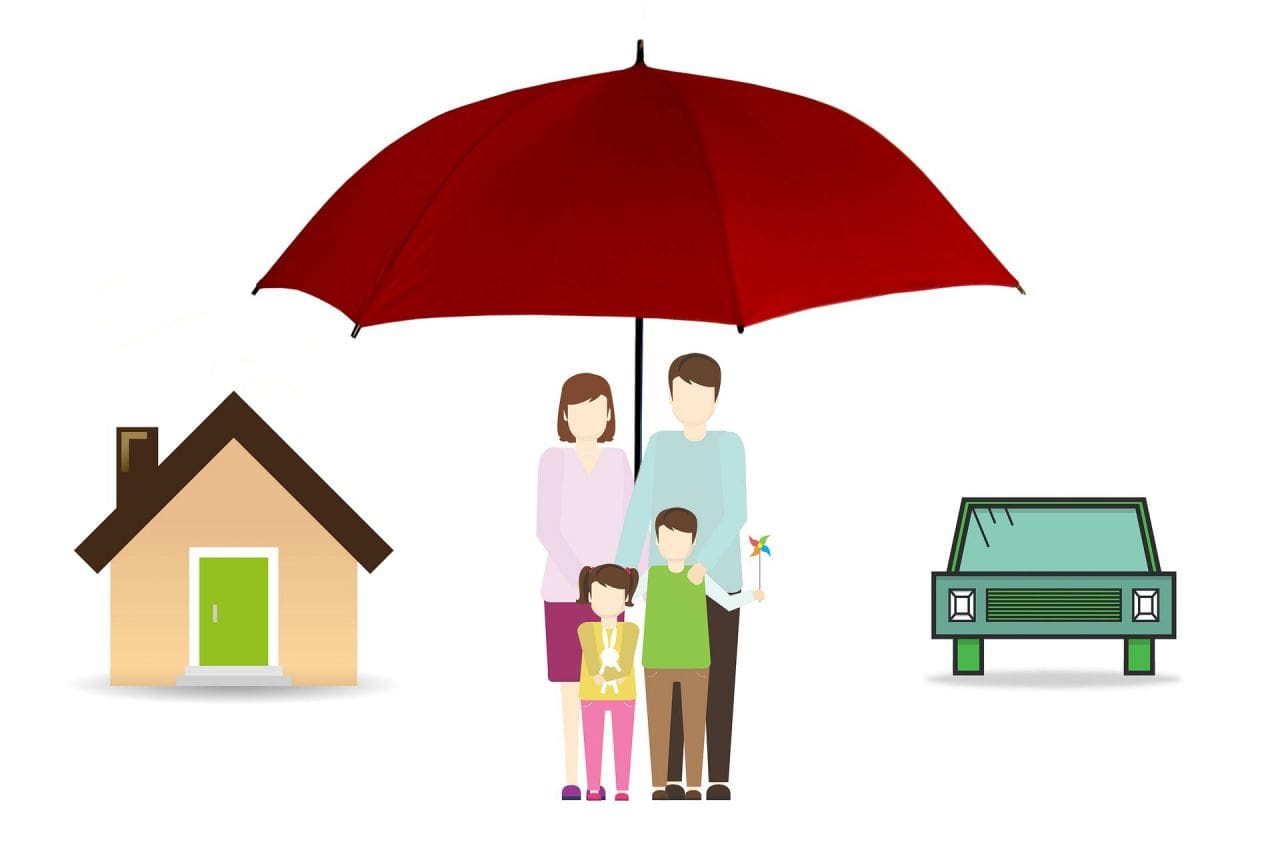
What is insurance?
Insurance is a mutual agreement between insurer and insured, in which the insured pays premiums to the insurer to be covered against a particular loss. Insurance can be divided into three different groups: non-life insurance, health insurance and life insurance.
Insurance companies in the Netherlands
There are lots of providers in the market for financial products and services. We have made a careful selection with a number of insurance companies we do business with. We have made this selection based on criteria such as premium, but also quality of conditions, experiences with the institution and how a company acts when a claim is made.
Frequently asked questions about getting insurance
What is compulsory insurance in the Netherlands?
Only two types of insurance are mandatory in the Netherlands: health insurance and third-party insurance for a motor vehicle. Taking out health insurance is mandatory for everyone in the Netherlands from the age of 18.
Children under 18 are co-insured for free on their parents' health insurance. With health insurance, you cover medically necessary health care.
Is there a motor vehicle in your name, such as a car, moped or motorcycle? Then you are obliged to take out at least third-party insurance for the vehicle. With third-party insurance you are insured for damage you cause to another person.
The insurer covers liability claims, but it does not cover damage to your own vehicle. For this you can take out hull insurance.
Why compare insurance?
The offer in insurance is very large and keeps expanding. Moreover, prices sometimes vary greatly and there are an increasing number of different terms and conditions available.
To avoid missing the forest for the trees, compare insurance. By comparing insurance, you will always choose the one that suits you best.
Sometimes people choose the cheapest insurance they can find without looking closely at the coverage. However, it is important when comparing that you look not only at the price, but also at the coverage and terms.
In fact, there can be big differences in coverage. Perhaps the cheapest insurance will not give you as much coverage as you really want.
Why buy insurance?
Insurance is basically covering the risk of an unexpected event. Of course, you don't know in advance if and when something will happen, such as a fire in your home or a car accident with damage.
If the event has already occurred, insurance no longer makes sense. After all, you can no longer insure a burning house. By taking out insurance you ensure financial security, because the costs can sometimes be high in the event of damage.
Consider, for example, a fire that destroys your home or the things in your home. If you have to replace everything, the costs can be considerable. Also, if personal injury occurs in an accident, this can add up considerably.
With good insurance, you don't have to bear the costs alone. If you do not purchase insurance, you take for granted that you will have to bear the damage on your own if things are damaged or lost.
How can I save on my insurance?
Comparison is key. Check annually to see if you are still with the right insurer. Look critically for duplicate coverage or unnecessary supplemental packages.
Choosing a higher deductible with your health insurance can also save quite a bit in premium if you don't need much care and can pay for the care yourself when you need it.
Bundle discounts with one provider can sometimes be attractive, but are not always more advantageous than single policies.
What insurances do I really need?
It depends on your situation, but a few are almost always wise. Your car should always be insured. Otherwise you are not allowed on public roads. Also, everyone must have health insurance.
Do you own your own home? Then buildings and contents insurance is recommended. Other insurances, such as travel or legal expenses insurance, depend on your lifestyle and needs.
It is also wise to have private liability insurance (AVP). This costs little and prevents high costs in the event of damage to others.
When should I update my insurance?
Major changes in your life are good times to review your insurance policies. Consider moving, getting married, having a child, changing jobs or making an expensive purchase.
Even if your premium suddenly increases or your coverage changes, it pays to check your policy. Often you can switch or change annually.
How do I know if I am overinsured?
If you have multiple insurance policies, there is a good chance of overlap. For example, if you have travel insurance as well as supplemental health insurance that both cover medical expenses abroad.
Or household and all-risk building insurance with overlapping coverage. By comparing carefully and reading the policy conditions, you avoid paying for cover you already have.
What happens if I don't have mandatory insurance?
Without mandatory insurance, you run substantial risks. Don't have health insurance? Then you will be fined by CAK and walk around uninsured. You will have to pay medical expenses yourself.
Without third-party insurance, you are not allowed on the road and risk a hefty fine or liability in the event of damage. So make sure you always have at least the mandatory insurance coverage in place.
We are happy to help you quickly
Can't figure it out online? We're happy to help you via chat or WhatsApp.
 Ask your question and get a response within 2 minutes